The call of the horizon.
|
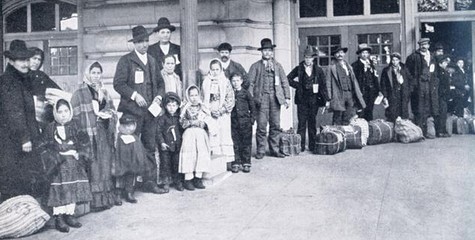
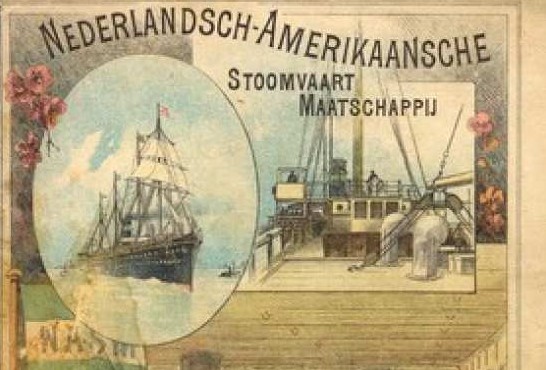
Beyond the Polder: For four centuries, the horizon of the Alblasserwaard and Krimpenerwaard marked the edge of the world. For generations, our ancestors lived, toiled, and died upon the very same square kilometers of lowland. They fought the rising waters, bowed to the authority of the local bailiff, and found their happiness within the safety of their own polder. But for some, the Waard became too confined, too pious, or simply too poor. Between the seventeenth and twentieth centuries, hundreds of polder dwellers left the clay behind. They chose the unknown. Driven by the bitter necessity of sheer poverty, the suffocating social classes of old Europe, or the dream of owning a piece of land in a free world, they boarded the ships. They traded their familiar pollard willows and windmills for the endless prairies of North America, the rugged wilderness of Canada, or the vast plains of Australia and New Zealand. |
|
The Three Great Polder Exoduses
-
The Early Pioneers
Builders by the water (17th century)When the first ships set sail for New Amsterdam (now New York), carpenters and farmers' sons from the Waard stepped aboard. They ended up in a rugged, untamed wilderness, yet their perspective remained that of the polder dweller. The moment they stepped ashore, they began doing what they had done at home for centuries: digging ditches, raising palisades, and building structures.Deep-seated habits:
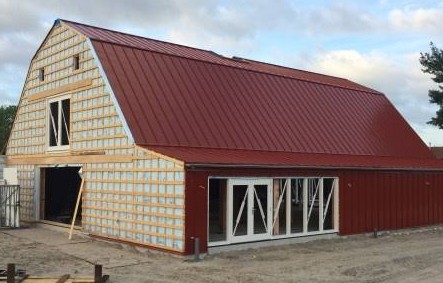
What do you mean, "You take all your knowledge and skills with you to the other side of the ocean"?Whether it's here or over there in that foreign land; a barn needs to withstand the wind, rain, and all the other elements of the weather, right?
The drive for order and community ran so deep that they immediately recreated their familiar structures. Names of there origin were scratched into the oldest American founding charters. They adapted to the new world, but their foundation remained that of the pragmatic, solid polder clay.
Surnames:
During this period, many ordinary people did not yet have a fixed surname but instead used their place of origin (toponyms). In early American records, you find names such as Van Krimpen (literally: from the Krimpenerwaard), Ouderkerk (Onderkirk / Ouderkirk), and Van Schoonhoven. The progenitor of the well-known American Ouderkirk family, for instance, came from Ouderkerk aan den IJssel to Albany, New York, around 1660.
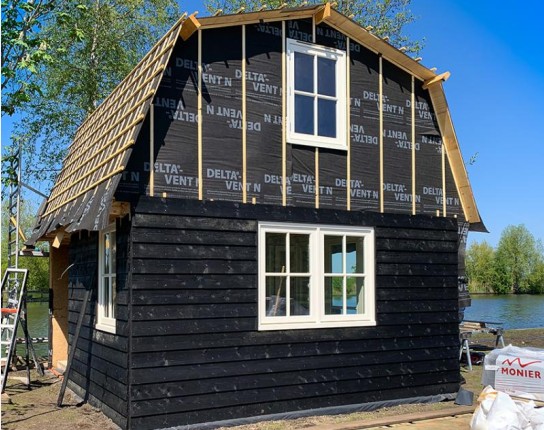
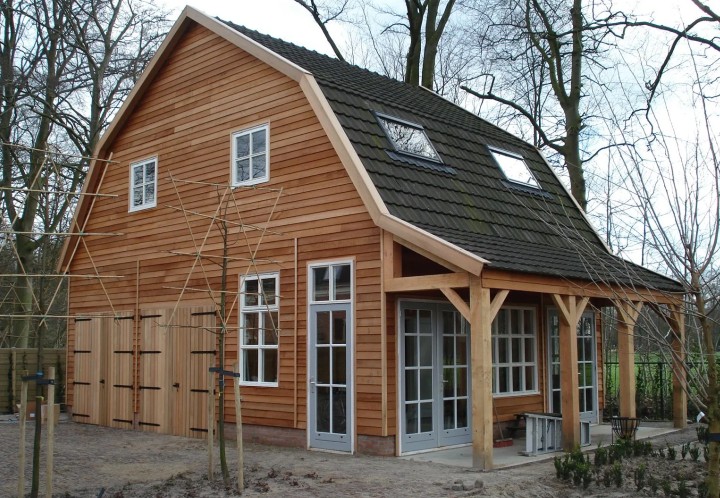
left in the Nederlands right in the USA
notice the construction of the roof.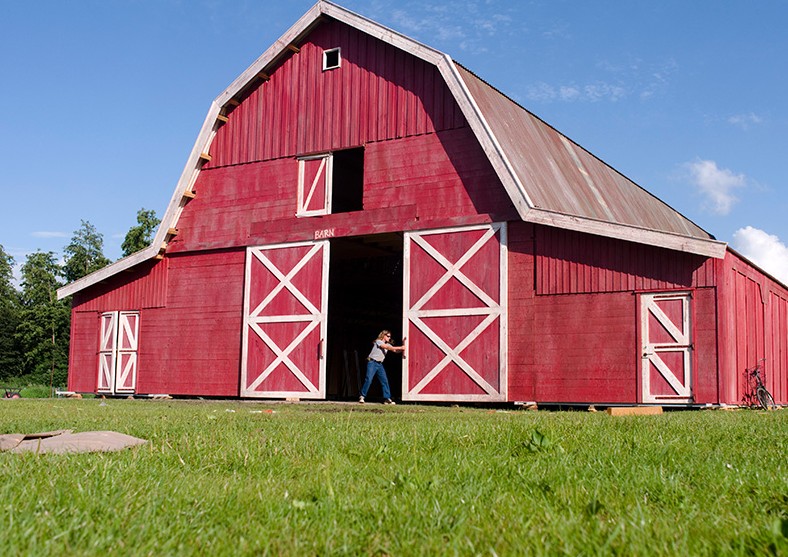
-
Faith, Furrows, and the Prairie (c. 1845 – 1920)
Mid-19th century, a severe storm swept through the Waard. Extreme poverty caused by potato blight and floods coincided with deeply held religious convictions. Entire village communities split from the state church, refusing to bow to the rules imposed by the king. Their stubbornness—their refusal to compromise on what they saw as the absolute truth—drove them across the ocean. In the American Midwest (Iowa and Michigan), they founded towns with names like Holland and Pella.
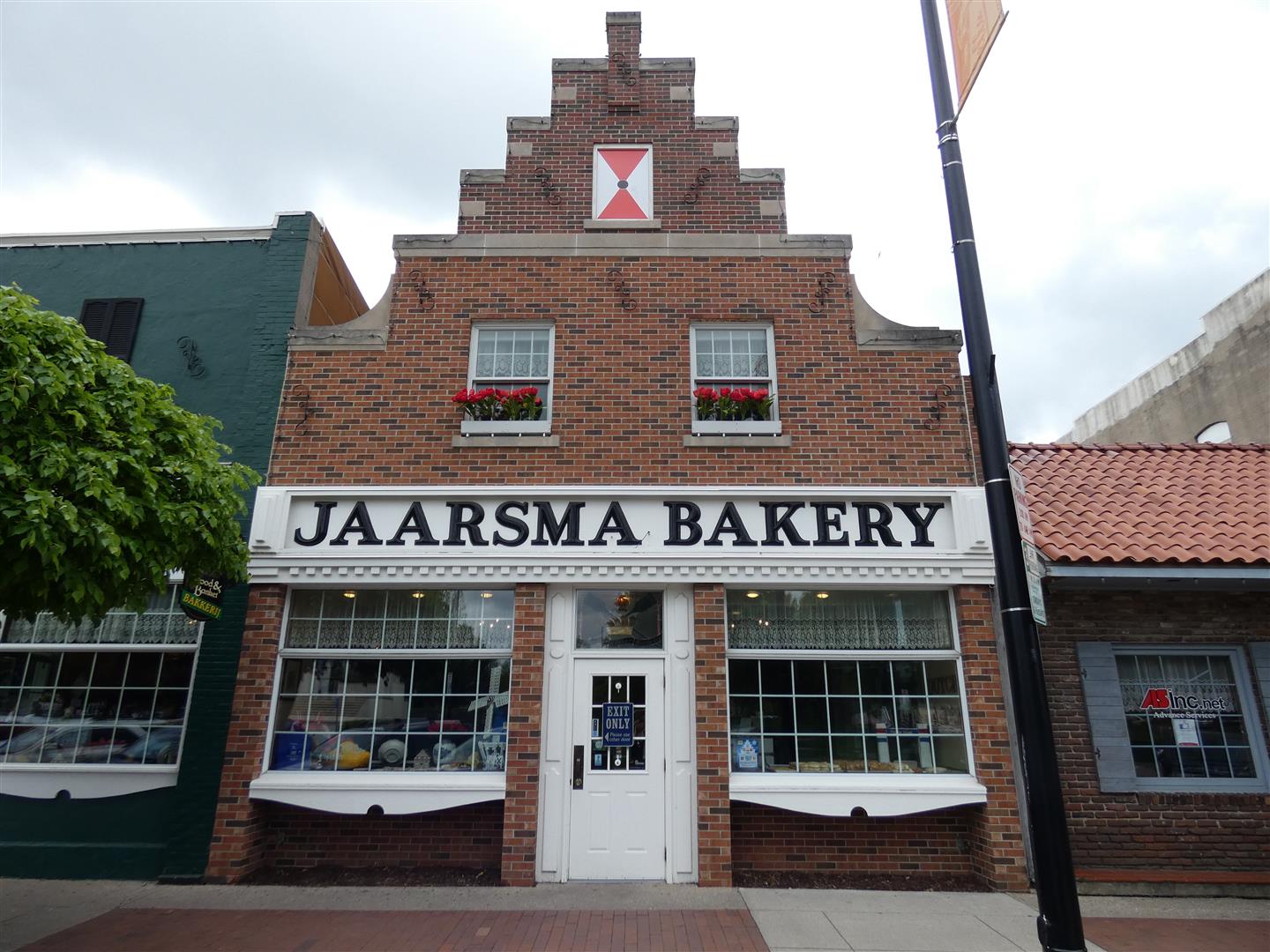
Left Pella in de USADeep-seated habits:
Right in the middle of the American prairie, they established a "Holland on the Vlist." They held fast to their deep grooves of decency, hard work, Sunday rest, and close-knit community care. The language faded over the decades, but the unyielding mentality and the ingrained structure of the community remained standing tall.
Surnames:
If you open the phone book of Pella, Iowa, or Grand Rapids, Michigan today, you will stumble over the polder clay. Large groups of emigrants bore names such as De Jong, Ooms, Verhoef, Kool, Stout (yes, even branches of Wiggert Stout the 'armmeester´!), Speksnijder, Anker, Graafland, Van der Wal, and Zwijnenburg.
And as for the name Stout: that name certainly has an enormous migration history! The name Stout appears frequently in the databases of Castle Garden on Manhattan and early pioneer registers, among others. Although the family branch in the Waard stubbornly continued farming, other branches of the Stout family migrated en masse to the American Midwest (Illinois, Iowa, and Michigan) in the 19th century. There, they sometimes changed their name to Stoute or kept it strictly as Stout.
But it is not just the Stout family; the family of Cornelia Stolker (born around 1719) on this website also traces its origins back to the early pioneers and farmers of Stolwijk. Many emigrants who later moved to the US still bore these names. It simply means "someone from the village of Stolwijk." This small village is also located in the Krimpenerwaard and serves as a geographical anchor for family members who emigrated.
Right a square in the little place Stolwijk VS.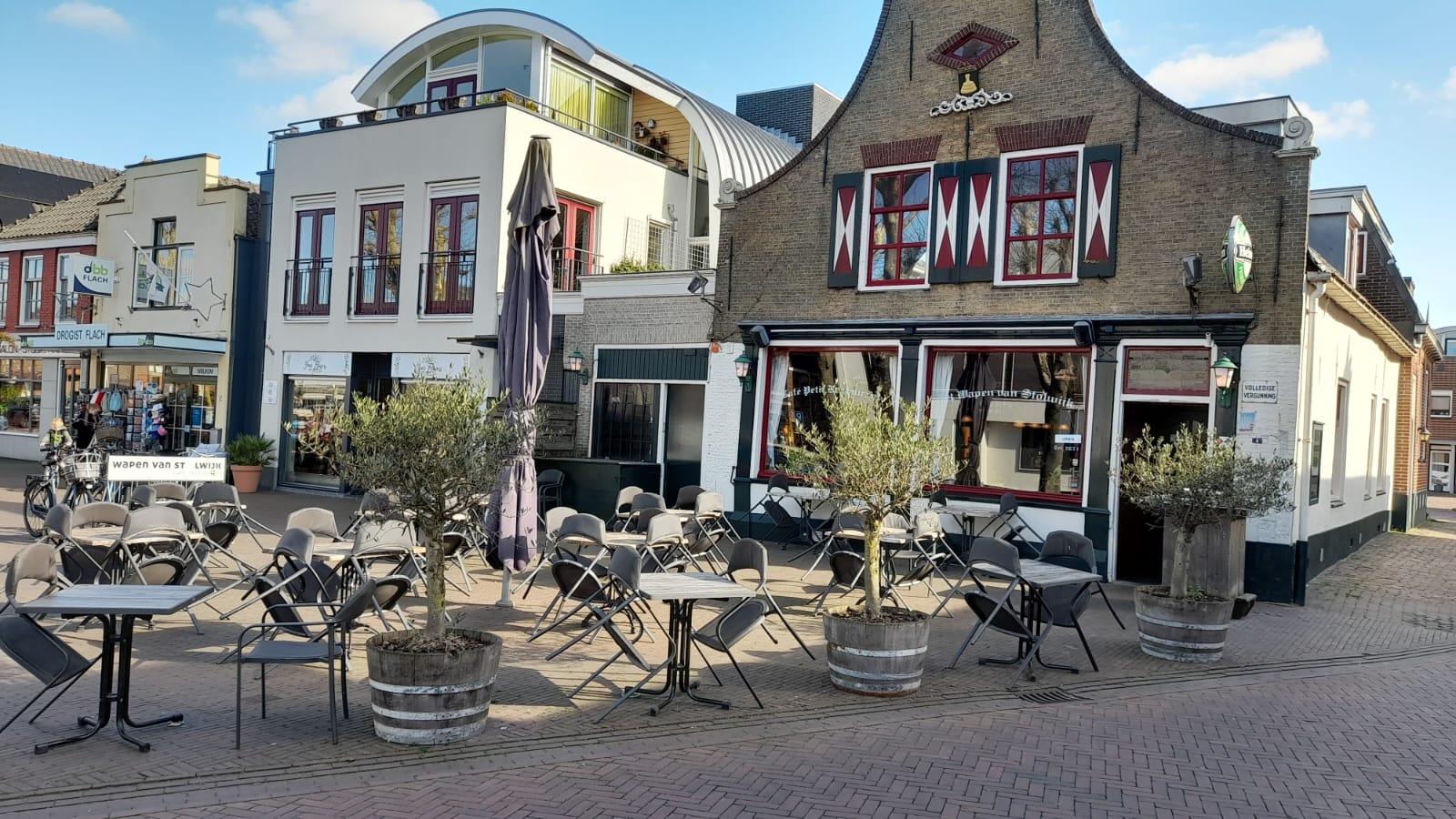
-
he Post-War Leap: Selection at the Gate (1945 – 1960)
Following the devastation of the Second World War, the polder was locked tight. There was simply no room or land left for the new generation of farmers' sons and daughters. The Netherlands felt overcrowded. This was the era when young women—the War Brides—bravely boarded ships to Halifax (Pier 21) to follow their Canadian liberators. And it was the era when young families chose Australia or New Zealand.
Craftsmanship required:
During this period, countries like Canada no longer admitted just anyone. They were not looking for adventurers. The selection at the gate was incredibly strict. You were only allowed in if you 'had a trade': Canada was specifically seeking skilled workers. Bakers, butchers, carpenters, and construction craftsmen who were willing to build the new world with their own two hands.Deep-seated habits:
Whether they ended up in the forests of Ontario or among the sheep in Australia, the polder dwellers immediately fell back on their centuries-old blueprint: no complaining, rolling up their sleeves, keeping things neatly organized, and building. Last names like Dekker, Terlouw, Vink, and Van den Dool sometimes changed in sound or spelling, but their inner compasses remained firmly set to the polder.
|
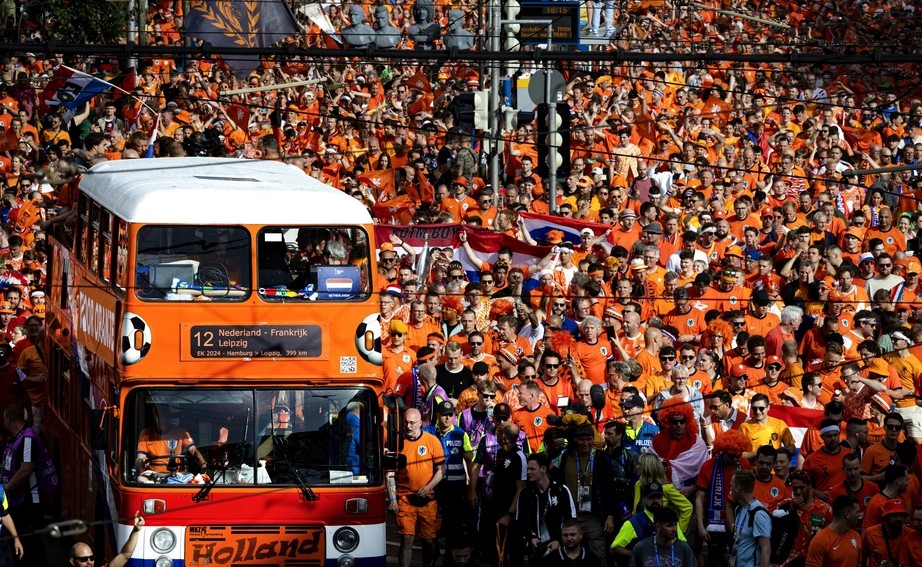
The Invisible Thread What connects all these generations of emigrants is that invisible groove of habitual patterns. It is the culture that does not break, no matter how hard the wind blows in the new homeland. It is the innate discipline to put their shoulders to the wheel together, without a single word of complaint. We still see that exact same cultural heritage reflected in the world today. When thousands of people dressed in Orange—among them many Americans and Canadians with Dutch roots—march peacefully behind the Dutch team bus during the World Cup, singing and jumping from left to right in perfect harmony and solidarity, it is no coincidence. That deep, ingrained need to 'keep the polder dry together' and to roll up their sleeves is something our emigrated relatives still carry deep within their blood. They live thousands of miles away, but somewhere deep inside it is still,,,,, |
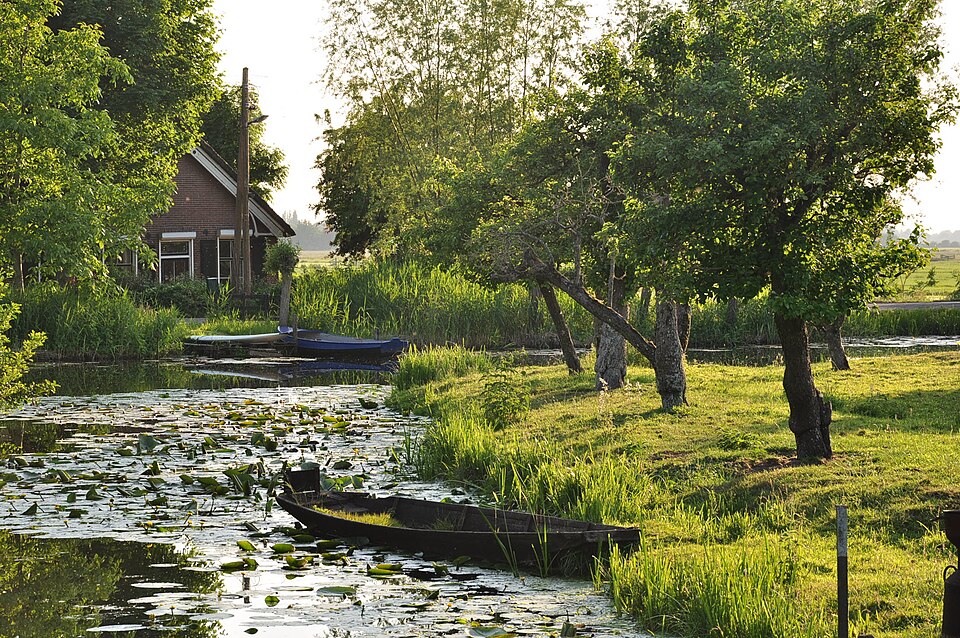
"Holland;.... with its little river De Vlist".
Meer informatie CBG Centrum voor familiegeschiedenisEmigration - CBG centrum voor familiegeschiedenis This can be found in the CBG bibliotheek (library), but it is also available online as a PDF. There are no European departure list...Andere TijdenEmigratie naar Canada - Andere Tijden 4 jun 2002 — - 1948: 32% NL pop. considered emigration; post-war overpop. drive. - 1952: Peak emigration (48.690 to Canada/Aus/NZ/US; 32.675 el...IsGeschiedenis Het nieuwe leven: Nederlandse immigranten in Amerika 21 jan 2013 — De grootste concentraties Nederlanders bevonden zich in Grand Rapids, Holland en Kalamazoo in Michigan, Chicago (Illinois) en in d...